

Good outdoor air quality does not always mean the indoor air is free from pollution. A low AQI or PM2.5 reading mainly reflects particulate pollution. It does not show whether VOCs are present indoors. These pollutants may come from renovation materials, furniture, paint, adhesives, flooring, and cleaning products—and they are often difficult to identify by sight or smell alone.
室外空气质量好,并不代表室内一定没有污染。 AQI或PM2.5数值较低,主要说明颗粒物污染较少,并不能反映室内是否存在甲醛。装修材料、家具、涂料、胶黏剂、地板和清洁用品,都可能释放甲醛,而这些污染通常无法仅凭肉眼或气味准确判断。

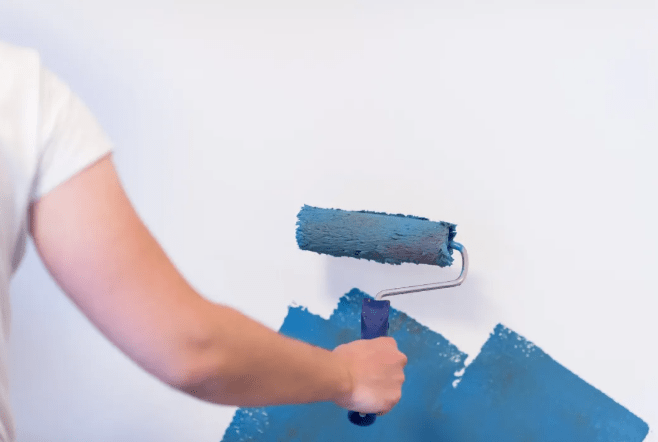
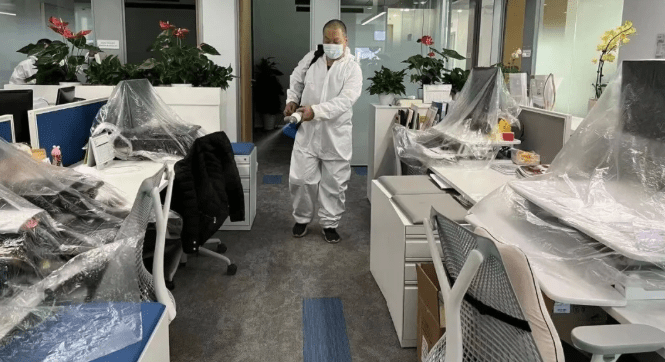
Before welcoming a new tenant, many landlords repaint walls, replace furniture, carry out minor renovations, or use strong cleaning and disinfecting products. Although these steps can make the property look cleaner and newer, they may also introduce new sources of VOC emissions. Even an older apartment may contain recently installed cabinets, mattresses, curtains, flooring, paint, or other materials that continue to release chemicals into the air.
在新租客入住前,许多房东会重新粉刷墙面、更换家具、进行局部翻新,或使用清洁剂和消毒产品进行深度清洁。这些处理可以让房屋看起来更整洁、更新,但也可能带来新的甲醛来源。即使是旧房,新安装的橱柜、床垫、窗帘、地板或涂料,也可能在一段时间内持续释放挥发性物质。

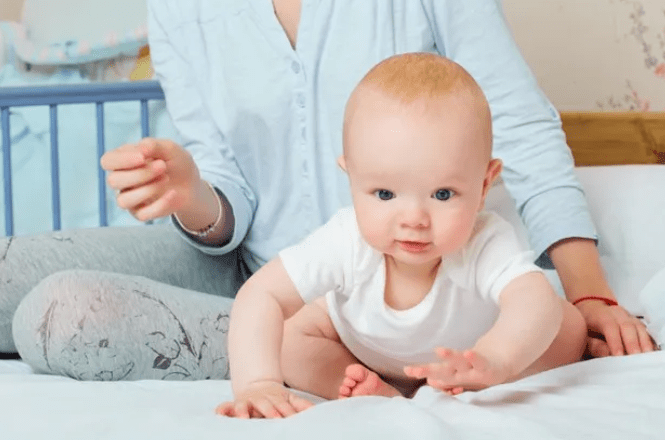
VOC emissions are affected by temperature, ventilation, and the condition of indoor materials. In summer, higher temperatures can accelerate emissions from paint, furniture, flooring, and adhesives. During winter, heating or floor heating may also raise indoor temperatures, while closed windows reduce ventilation and allow pollutants to accumulate. Families with babies and young children should pay particular attention when moving into a recently renovated or newly furnished home.
甲醛的释放会受到温度、通风条件和室内材料状态的影响。夏季温度较高,可能加快涂料、家具、地板和胶黏剂中的甲醛释放。冬季使用暖气、空调或地暖时,室内温度升高,同时门窗长期关闭,也可能让污染物更容易积累。有婴幼儿的家庭,在入住近期装修或刚更换家具的房屋时,更需要谨慎评估室内空气状况。

Consumer air-quality monitors can help track changes in eTVOC, PM2.5, CO₂, temperature, and humidity. They are useful for observing trends, such as whether readings decrease after ventilation. However, eTVOC readings are estimates. Household monitors usually cannot identify individual VOCs or provide the same level of accuracy as professional testing.
家用空气监测仪可以持续观察 eTVOC、PM2.5、二氧化碳、温度和湿度的变化,适合用来了解趋势,例如通风后数值是否下降。但 eTVOC 数值属于估算结果。普通家用监测仪通常无法判断具体是哪一种 VOC,也不能达到专业检测的准确程度。
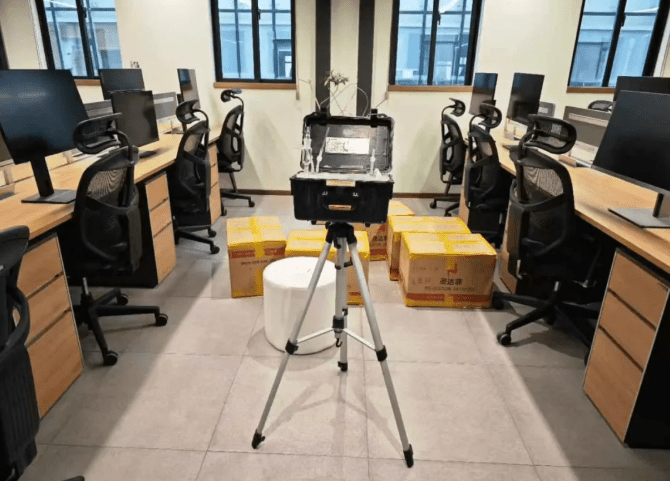
For recently renovated homes, persistent unusual odors, or situations requiring reliable data, professional on-site sampling and laboratory analysis provide a more useful reference for further treatment.
对于近期装修、长期存在异常气味,或需要获得可靠数据的房屋,专业上门采样和实验室分析,更适合作为后续治理的参考。

Improving indoor VOC conditions usually requires more than one method:
改善室内 VOCs 状况,通常需要多种方式结合:
- Maintain regular and effective ventilation. 保持规律、有效的通风。
- Identify and control possible pollution sources. 查找并控制可能的污染源。
- Use an air purifier with a sufficient amount of activated carbon. 使用配有足量活性炭滤材的空气净化设备。
- Replace saturated carbon filters according to usage and indoor conditions. 根据使用情况和室内环境及时更换活性炭滤芯。
- Conduct follow-up testing when professional treatment has been completed. 专业治理完成后,必要时进行复测。
HEPA filters are designed mainly for particles such as PM2.5 and dust. To reduce gaseous pollutants such as VOCs, activated carbon or other suitable gas-phase filtration materials are needed.
HEPA滤网主要用于过滤PM2.5和灰尘等颗粒物。对于甲醛这类气态污染物,还需要活性炭或其他适合的气体过滤材料。

We provides indoor air-quality monitors, professional testing, air-purifier selection, filter replacement, treatment support, and customized solutions for rental homes and other residential spaces.
我们可为出租房及其他住宅空间提供室内空气监测仪、专业检测、空气净化设备选择、滤芯更换、治理支持和定制化解决方案
A clean-looking rental home may still contain invisible indoor pollutants. Before moving in, understanding the difference between PM2.5, VOC monitoring, and professional testing can help you choose a more suitable solution and create a safer, more comfortable home.
看起来干净的出租房,也可能存在看不见的室内污染。入住前了解 PM2.5、甲醛监测与专业检测之间的区别,可以帮助您选择更合适的改善方式,打造更安心、更舒适的居住环境。

Follow Greenwave on Social Media: